How to Organise a Walk-In Wardrobe UK: Zone-by-Zone System for 2025
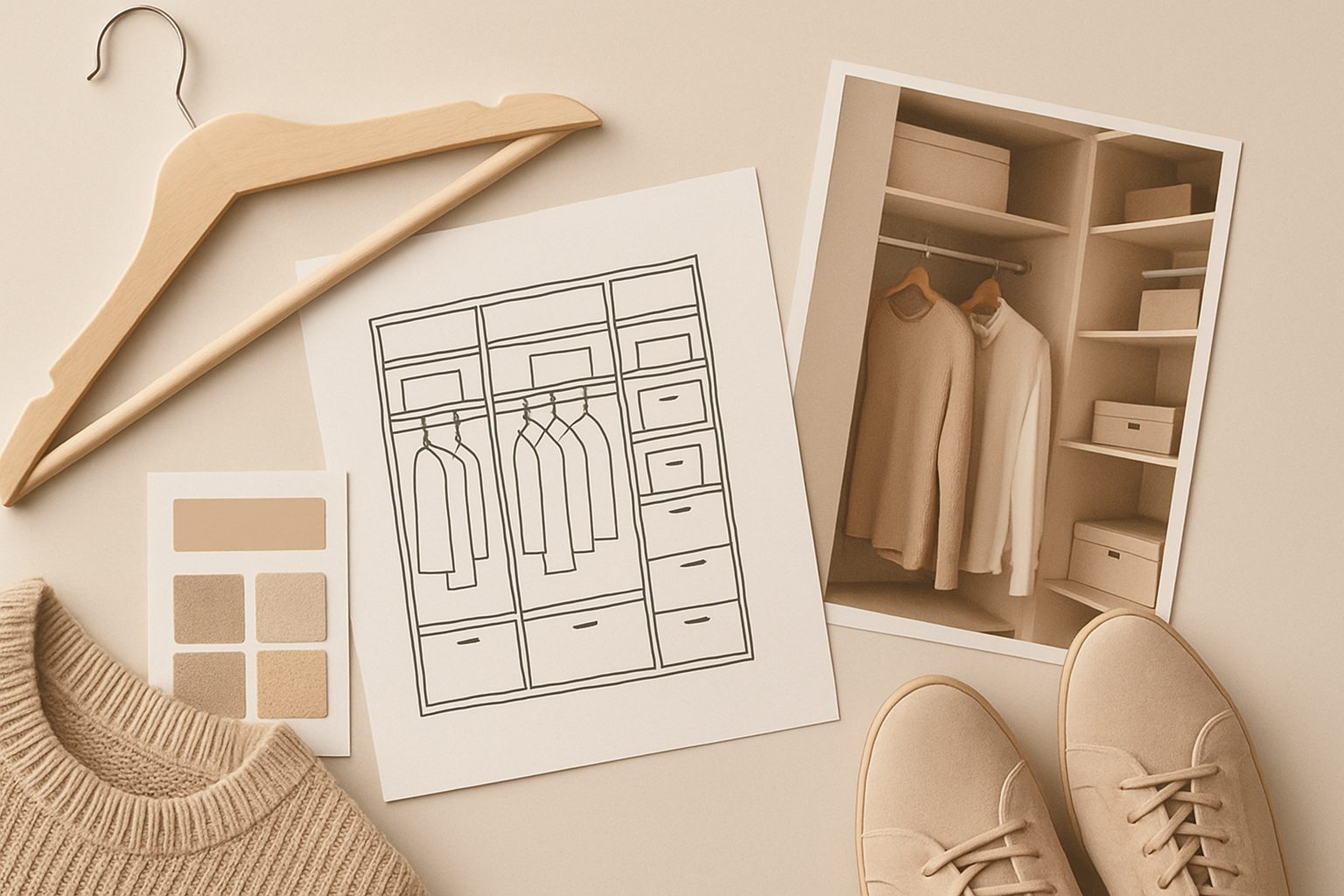
A walk-in wardrobe should make getting dressed easier, not turn into a archaeological dig every morning. The zone-by-zone system divides your space into functional areas — hanging, folded, shoes, and accessories — so you can locate anything in seconds and maintain your system without effort.
Why Zones Work
Organizing by type rather than colour, season, or brand means you build habits that stick. You know exactly where to put a jumper back, where your trainers live, and which shelf holds your work shoes. This consistency is what keeps wardrobes tidy after the initial setup, because you're not constantly remembering where things are supposed to go.
Zone 1: Hanging Zone
Dedicate one wall or the longest hanging rail to items that genuinely benefit from hanging: dresses, blazers, trousers, and shirts. Not everything needs to hang — folding thick jumpers saves space and prevents hanger marks.
Organize hanging items by category, not colour. Group all work shirts together, then dresses, then trousers. Within each category, you can arrange by colour if it helps you visualize options, but the primary structure should be type-based.
Use velvet hangers rather than plastic or wire. They're narrower, so you fit more items into the same space, and they grip fabric without leaving creases or causing slipping. The 10p cost difference per hanger is worth it over a year.
For trousers, fold them lengthwise over the hanger bar, or use clip hangers that sit flat and take minimal space. Avoid wire hangers completely — they rust and leave marks on shoulders.
Leave breathing room between items. Crammed hanging zones are harder to work with and clothes crease more. If your rail is packed, you have too many items or need a second rail.
Zone 2: Folded Storage Zone
Reserve shelving or drawers for jumpers, cardigans, t-shirts, and anything too delicate or heavy to hang safely. Fold everything using the same method so stacks look neat and items don't slide around.
The best fold for shelf storage is vertical: fold the item, then fold it again so it stands upright. This way you can see every piece without unpacking the stack, and you're less likely to forget what's at the bottom. It's the same principle retail shops use.
Use shelf dividers to keep stacks separate. This prevents items shifting when you pull one out and makes it easier to restock without the entire stack falling. Without dividers, a neat shelf becomes a mess within two weeks.
Drawer organisers work well here too if your walk-in has under-shelf storage. Cloth boxes or rigid dividers create compartments so each type (plain white t-shirts, grey marl, graphic tees) has its own space. This takes longer to set up initially but saves time when you're getting dressed and searching for something specific.
Zone 3: Shoe Zone
Dedicate a shelf, floor space, or wall unit to shoes. Clear plastic shoe boxes are the practical choice here: you see what's inside without opening every box, they stack neatly, and they protect shoes from dust. Fabric boxes look nicer but you can't see into them, which means you'll forget what you own.
Organize shoes by type: everyday trainers and flats together, heels separate, boots together, seasonal shoes (winter boots, summer sandals) on higher or lower shelves depending on traffic. Keep the pairs you wear weekly at eye level so they're easiest to grab.
Avoid shoe racks that display shoes openly unless you genuinely have the space and keep them dusted regularly. Most walk-ins benefit more from closed storage that protects shoes from dust and sunlight, which fade colours over time.
Zone 4: Accessories Zone
This is jewellery, scarves, belts, bags, and hats — items you either forget you own or spend five minutes hunting for each morning.
Jewellery trays with compartments (one for rings, one for necklaces, one for earrings) keep pieces visible and tangle-free. If you have more jewellery than one tray holds, use a second tray on a different shelf rather than stacking them — stacked trays are awkward to access.
For scarves, fold them and lay them flat in a drawer or shallow basket. If you hang scarves, use a dedicated scarf hanger with multiple slots so they don't take up valuable hanging rail space.
Belts live in a drawer with a divider, or hang them on hooks inside a cupboard door. Keep belts you actually wear separate from special-occasion ones.
Bags are bulky but valuable. Store them upright on a shelf if you have the space, or lie them flat and nest smaller bags inside larger ones. Keep your everyday bag at eye level; clutches and occasion bags higher or lower.
Maintenance
Set aside 15 minutes every two weeks to tidy your zones. This means folding items properly before they stack up, returning borrowed hangers to where they live, and spotting gaps. Regular small tidying is far easier than a monthly overhaul.
If an item has been on the floor or sitting unfolded for more than a week, it probably isn't part of your active wardrobe. Move it to storage or pass it on. This prevents your walk-in from creeping back into chaos.
A zone system only works if you're consistent about returning items to their zones. This is the hardest part for most people, but it's also where the real time-saving lives — because you know you'll find what you need, you dress faster and change your mind less.
More options
- Walk-In Wardrobe LED Strip Lighting Kits (Amazon UK)
- Wardrobe Interior Organisers & Accessories Bundle (Amazon UK)
- Modular Wardrobe Storage Systems (Amazon UK)
- Hollywood Vanity Mirror & Dressing Table Lighting (Amazon UK)
- Pull-Out Wardrobe Rails & Shoe Racks (Amazon UK)